
"same ethiopia"
6000 article(s) found

Introduction of coffee beans and some boutique coffee in the main producing areas of coffee beans in the world (3)
Introduction of coffee beans and some fine coffee in the main producing areas of coffee beans in the world: Africa
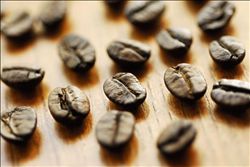
Ethiopia Yega Xuefei Coffee Raw Bean
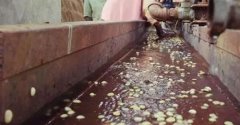
Ethiopia's Yega Chuefei has a floral fragrance, making it the most famous boutique raw bean in the world. It is particularly mild, with a floral fragrance, an afterscent around the tip of the tongue, and a gentle texture, all of which have become unique characteristics of Yejia Xuefei. Over the past few decades, Ethiopia's Yejasuefei raw beans have been processed by washing, that is, through the natural enzyme solution.
Introduction to the characteristics of Orami Cooperatives in the Lekanti producing area of Ethiopia Coffee flavor description
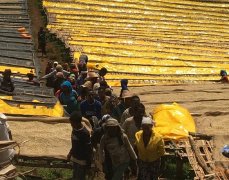
For the exchange of professional baristas, please pay attention to the coffee workshop (Wechat official account cafe_style) Ethiopia Lekanti-Orami Cooperative Sun Bean Ethiopia is the country where coffee was first discovered, and Ethiopia is the most important producer of coffee in terms of quality and output, with an annual output of about 350000 tons. About 15 million people in the country are engaged in this industry, and more than 90% of them are small coffee farmers.
Flavor characteristics of G _ 1 Coffee washed by Yega Xuefei data Information of Cochel-Cole Cooperative processing Farm
For the exchange of professional baristas, please follow the coffee workshop (Wechat official account cafe_style) Ethiopia Yirgacheffe Kochere G1 brief description of 2017, Ethiopia Cochel-Cole small farmers level 1 washing lot-29, exclusive batch in the producing area! Kohl Kore of Ethiopia is located in a small high-altitude village in Kochere, and Kochel (Kochere) is Yegashev (Y.
Ethiopia Yega Sheffield Coffee Bean grows Raw Bean G2 Yega Chefe
Ethiopia has the longest history in the world, not only in coffee production and drinking, but also in the world. Most of the production is exported to advanced countries, and unlike other coffee-producing countries, 50% of the coffee produced in Ethiopia is consumed domestically. Nevertheless, more than 60% of Ethiopia's total foreign currency exports still come from the coffee trade, which is enough to replace
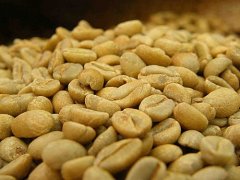
Ethiopia Yegashefi Chelba Chaloba Cooperative introduction Sun Yega detailed description
Professional barista exchanges please follow the coffee workshop (Wechat official account qianjiecoffee) Ethiopia is the country where coffee was first discovered, in terms of coffee quality and output, Ethiopia is still the most important producing country and the best, coffee is mostly the traditional Arabica species, the annual output is about 350000 tons and more than 70% are exported to countries around the world, about 15 million people in the country are engaged in coffee
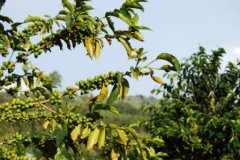
Grade G1 original species of snow caffeine from Worka estate in Waka, Ethiopia
Today, there are still a large number of wild Arabica coffee trees growing in many parts of Ethiopia, averaging between 4200 and 6800 feet above sea level. Now there is a trend of small cultivation, generally planting banana trees for shade at the same time, but due to lack of agricultural technology, herbicides and pesticides are less used. Coffee is Ethiopia's main economic crop and the largest in the country.
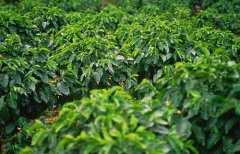
The most famous boutique raw bean flower scent in the world. Ethiopia Yega Xuefei G2.
Ethiopia has the longest history in the world, not only in coffee production and drinking, but also in the world. Most of the production is exported to advanced countries, and unlike other coffee-producing countries, 50% of the coffee produced in Ethiopia is consumed domestically. Nevertheless, more than 60% of Ethiopia's total foreign currency exports still come from the coffee trade, which is enough to replace
Ethiopia Yega Xuefei is close to the floral taste and is wilder, sweeter and thicker than the coffee bean market.
Today, there are still a large number of wild Arabica coffee trees growing in many parts of Ethiopia, averaging between 4200 and 6800 feet above sea level. Now there is a trend of small cultivation, generally planting banana trees for shade at the same time, but due to lack of agricultural technology, herbicides and pesticides are less used. Coffee is Ethiopia's main economic crop and the largest in the country.

Ethiopia Coffee Bean Flavor Manor introduces Ethiopian boutique coffee beans
Ethiopian coffee beans grow in close to the natural environment, after years of planting under the same growth conditions, Ethiopian coffee beans have gradually adapted to the environment here. More than 60% of coffee beans are grown in forests or semi-forests. Large-scale coffee-growing villages account for about 35% of the country's total coffee production. Many of these are used.

Coffee from different countries Ethiopia is home to coffee
Big cup filled with milk coffee, in the winter morning, wrapped in the quilt slowly drink, warm up the body, at the same time sleepy also disappeared. Put French roast coffee in two cups and an equal amount of warm milk. Take one in each hand and pour two cups of liquid simultaneously into the mug. This creates a delicious, frothy cappuccino. Home of Coffee-Ethiopia

Ethiopia Nixiper Coffee producing area introduces what coffee producing areas are there in Ethiopia coffee?
Professional coffee knowledge exchange more coffee bean information please follow the coffee workshop (Wechat official account cafe_style) Ethiopia is the country where coffee was first discovered, coffee can be divided into two treatments. Washing treatment method II. Natural sun treatment. Nowadays, every cooperative or even a small coffee farm in Ethiopia produces coffee beans of the above two treatments at the same time, whether
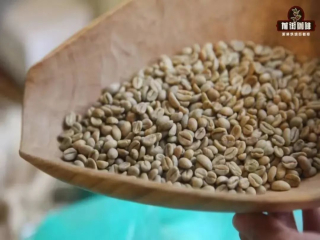
Introduction of coffee bean classification system in various countries in detail the coffee bean classification standards of Ethiopia and Kenya
A friend asked Qianjie, "Why are some coffee beans marked with AA, some with G1, and some with SHB? these letters seem irregular. How do I know which grade is high and which is low?" Why do you need grading? When we walk into the fruit store, we often see that the same fruit can be divided.

Coffee producing and growing areas in Ethiopia
Ethiopian coffee beans grow in close to the natural environment, after years of planting under the same growth conditions, Ethiopian coffee beans have gradually adapted to the environment here. More than 60% of coffee beans are grown in forests or semi-forests. Large-scale coffee-growing villages account for about 35% of the country's total coffee production. Many of these are used.
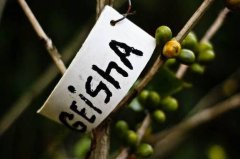
Ethiopia Coffee Estate Summer Village Garden Story-Go back to Ethiopia to find the source of summer
Before meeting Willem Boot, owner of La Mula in Panama, Adam Overton had only a vague dream of buying a farm in Ethiopia to grow the world's most delicious coffee, Geisha. Why Ethiopia? Because it's said that Ethiopia

High quality Coffee production and sales of Coffee from Ethiopia Coffee
Ethiopian coffee beans grow in close to the natural environment, after years of planting under the same growth conditions, Ethiopian coffee beans have gradually adapted to the environment here. More than 60% of coffee beans are grown in forests or semi-forests. Large-scale coffee-growing villages account for about 35% of the country's total coffee production. Many of these are used.

Ethiopia Yega Chuefei has become the most famous in the world.
Ethiopia Yega Chuefei G2 | EthiopiaYirgachaffe Grade2 Ethiopia Yega Xuefei has a floral scent, making it the most famous boutique raw bean in the world. It is particularly mild, with a floral fragrance, an afterscent around the tip of the tongue, and a gentle texture, all of which have become unique characteristics of Yejia Xuefei. In the past few decades,

Introduction to the Ethiopian single Manor Project of Bita Manor in Kafa Forest, Ethiopia
Professional barista communication please pay attention to the coffee workshop (Wechat official account cafe_style) Ethiopia Kafabita Manor Bita Manor is located in the coffee forest area of southwestern Ethiopia. To this day, the Kafa forest still maintains the forest appearance of the traditional Ethiopian primitive forest, while retaining a considerable number of native coffee varieties. Many cup surveyors in the Kafa producing area have tested the cup.

Ethiopia Sidama coffee beans flavor description processing method Variety characteristics Introduction
The four major cultivation systems are distributed in the following nine major production areas of Ethiopia: Gemma, Sidama, Yegashefi, Hara, Limu, Iruba, Kimbi (Lekanti), Tiebi and Bebeka. Generally speaking, each region has its own flavor, basically, western tiebi, beibeka, iruba and west

Ethiopian peach coffee [Nekisse N2 L12 Ethiopia]
Nekisse N2 L12 Ethiopia named the coffee after Nectar from Shakisso in 2009, meaning it has the same flavor as nectar from the town of Shachiso in Hidamo province, Ethiopia. Nekisse is characterized by a creamy and smooth taste, a strong berry sauce, and some batches even have mixed flavors of citrus and a variety of tropical fruits. Although at first,